Signage is a constant presence in our surroundings, subtly shaping the spaces we inhabit and guiding our actions. From traffic signals directing our path to neon signs lighting up the night, signage is much more than a practical tool—it’s an art form. But how does this creative process unfold? The journey of signage production is as captivating as the messages they communicate.
It starts with the concept of a message that needs to be seen and heard. Whether it’s a brand aiming to capture attention, a business offering direction, or an artist expressing their vision, signage production transforms these ideas into bold, visual statements that stand out.
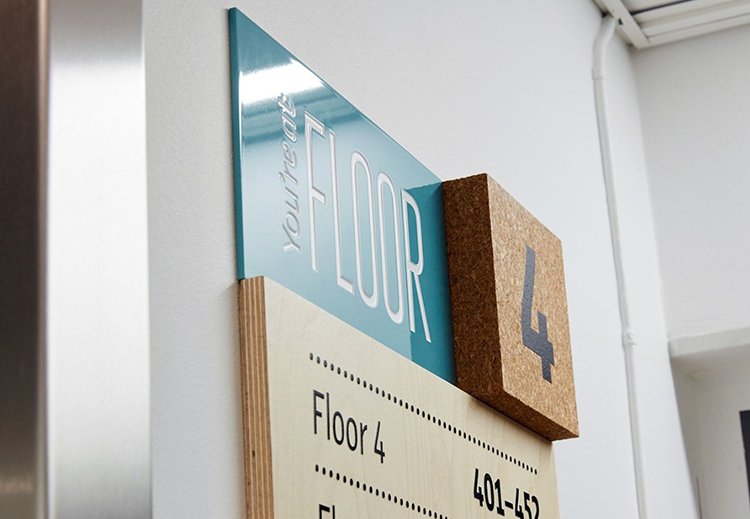
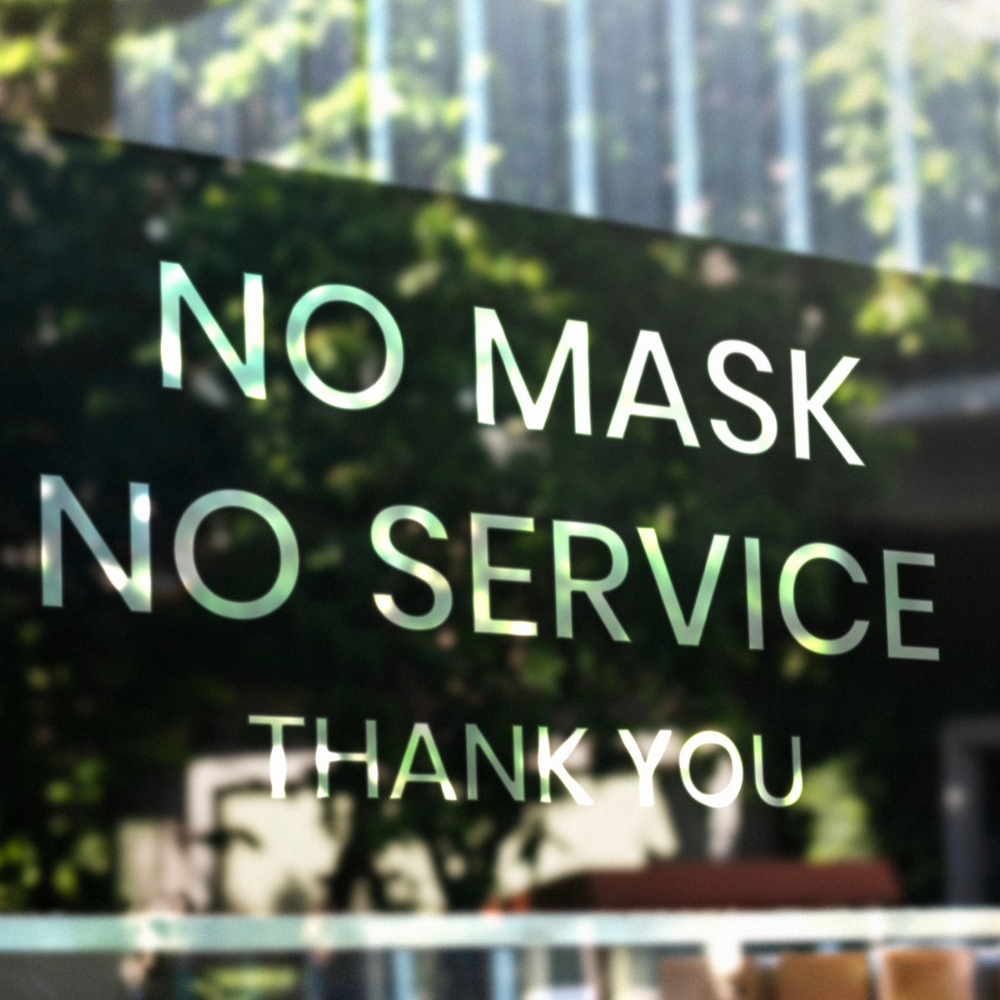
Not all materials are created equal in the world of signage. Each material is selected for its unique qualities. Durable steel signs endure the toughest elements, while sleek acrylic panels shine under city lights. Vinyl clings to windows subtly, and hand-painted wood evokes a rustic charm. Each material plays a specific role, providing the perfect foundation for messages that demand attention.
Through the process of signage production, creativity, functionality, and craftsmanship come together to create visual landmarks in our daily lives. Whether for business, art, or navigation, these signs are much more than markers—they are the storytellers of our streets.
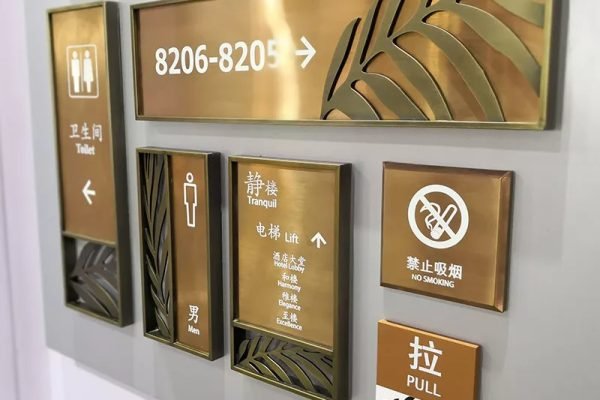
Signage production is a dynamic and vibrant art form, where every detail counts. From resilient UV inks that withstand the sun’s harsh rays to reflective paints that shine under the headlights of passing cars, it’s a world where each ink drop or brushstroke is intentional, transforming simple signs into powerful visual statements.
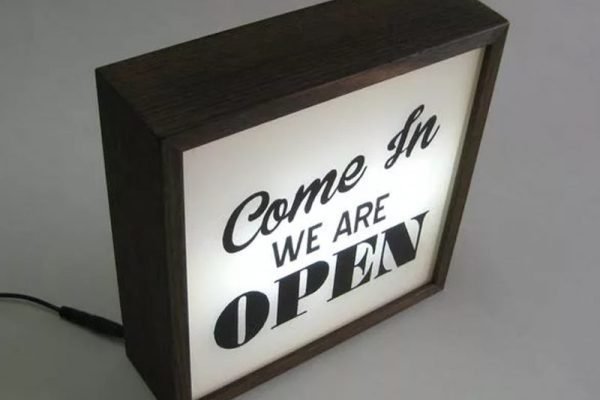
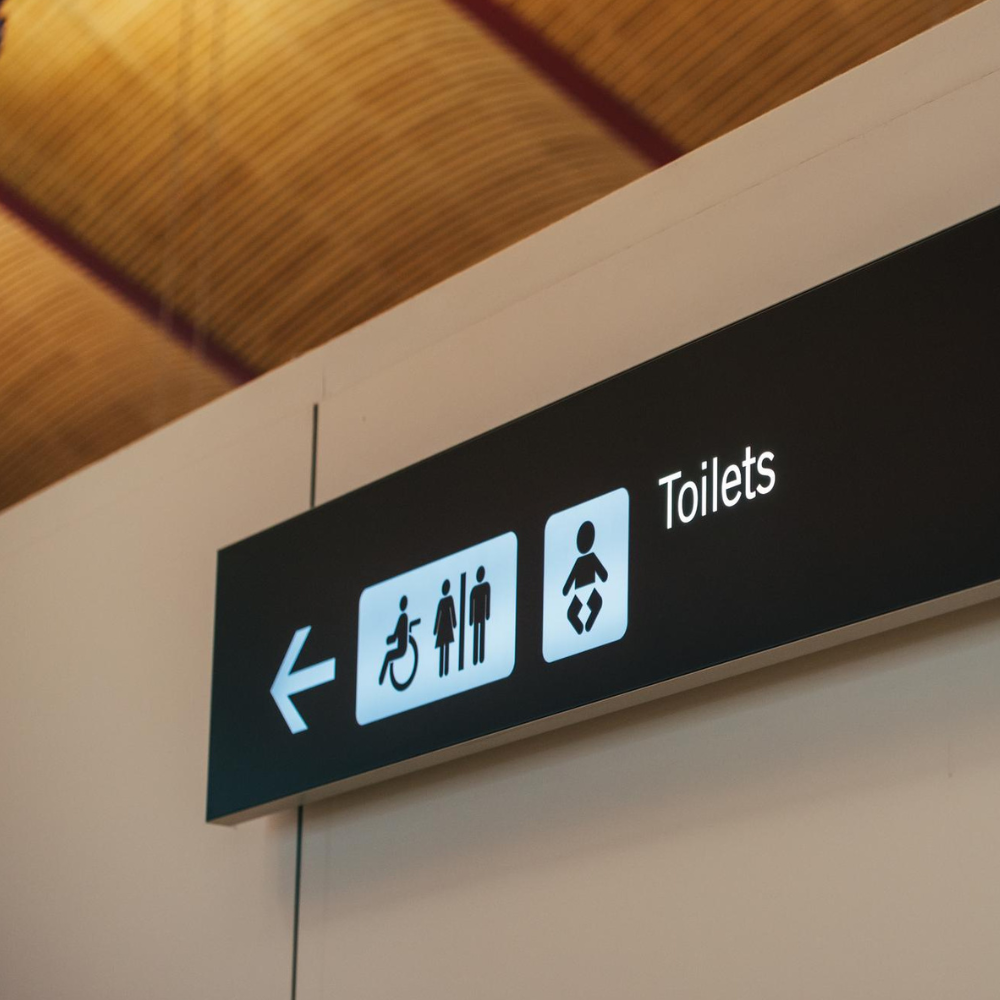
The journey begins with selecting the right materials. Whether using high-tech printers or skilled artisans, colors come to life, shadows shift, and messages become unmistakable. Signage goes beyond flat surfaces, with three-dimensional designs emerging as letters rise from durable metal or molded plastic. LED lights add a magical glow, turning ordinary signs into luminous sculptures, while digital displays bring content to life with real-time updates.
But signage is more than just materials and technology. It’s shaped by the expertise of designers who translate abstract ideas into visual masterpieces, and technicians who make those concepts a reality. Their craft ensures precision in every curve, perfection in every hue, and clarity in every message.
In this blend of creativity and technology, signage production is not just a functional necessity—it’s an art form that shapes our environment, guides our way, and tells compelling stories.
Dubai – UAE